1
Select Design

2
Select Lab Diamond
Browse Diamonds

3

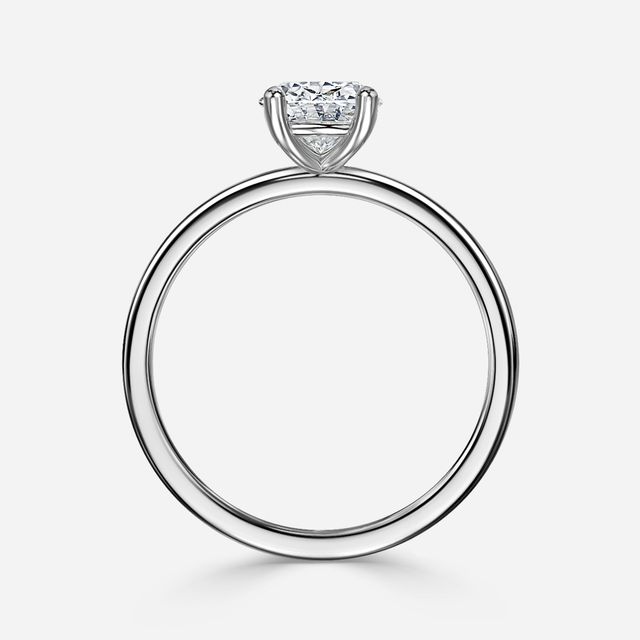
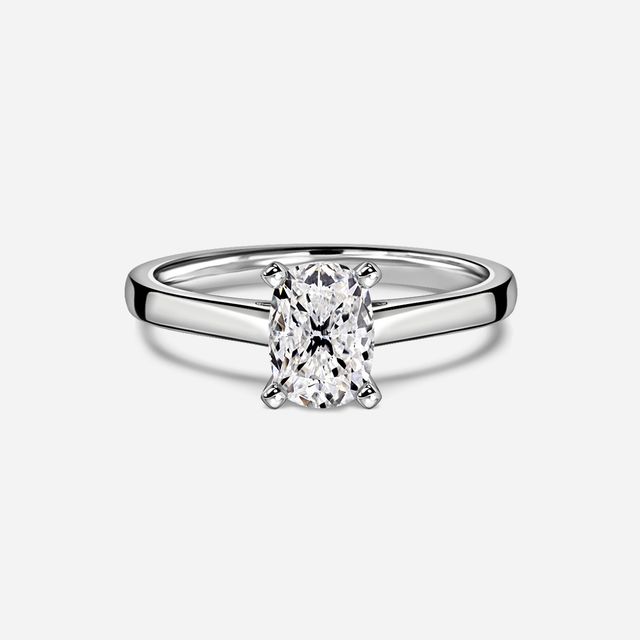
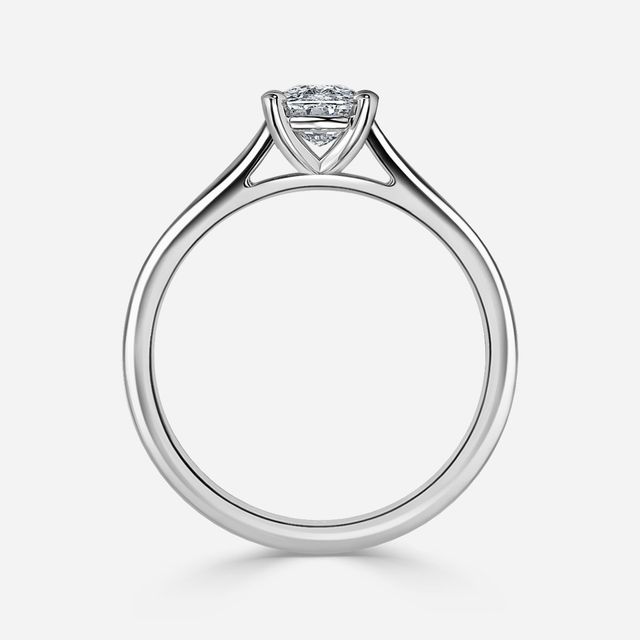
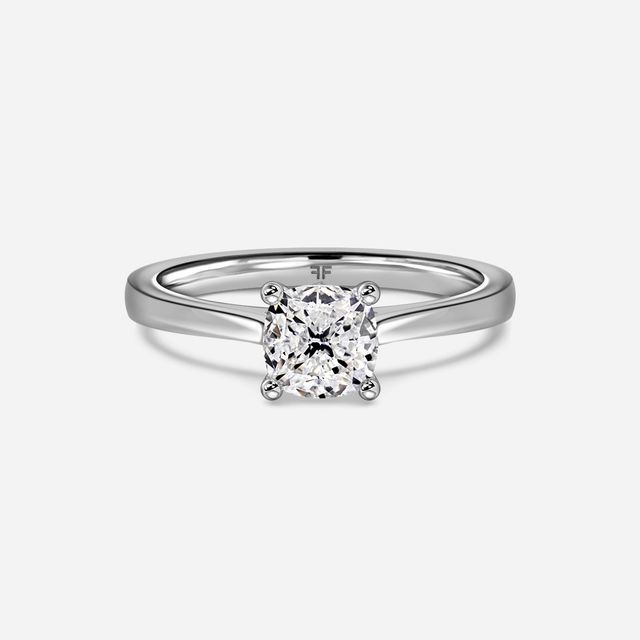
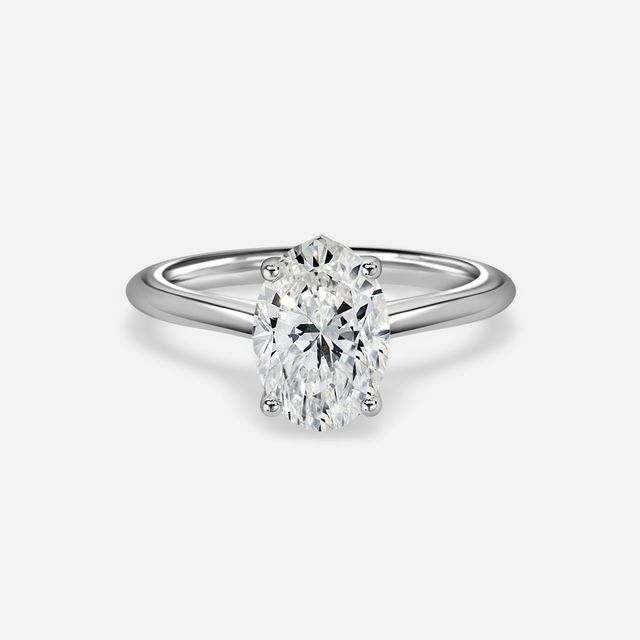
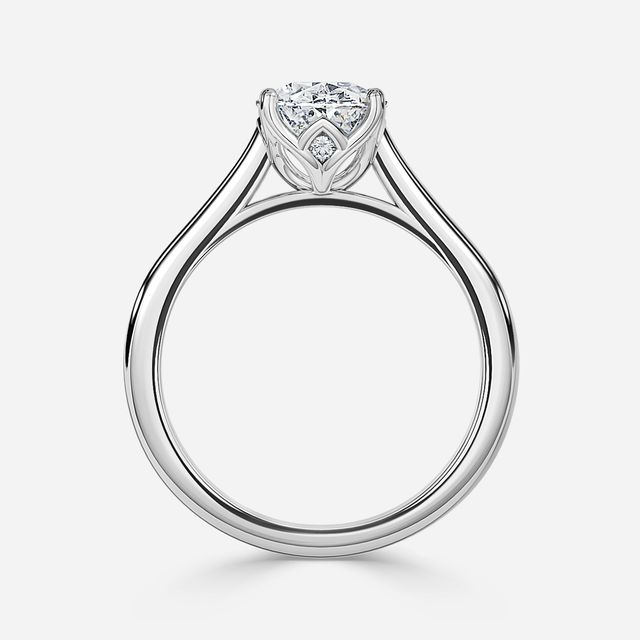
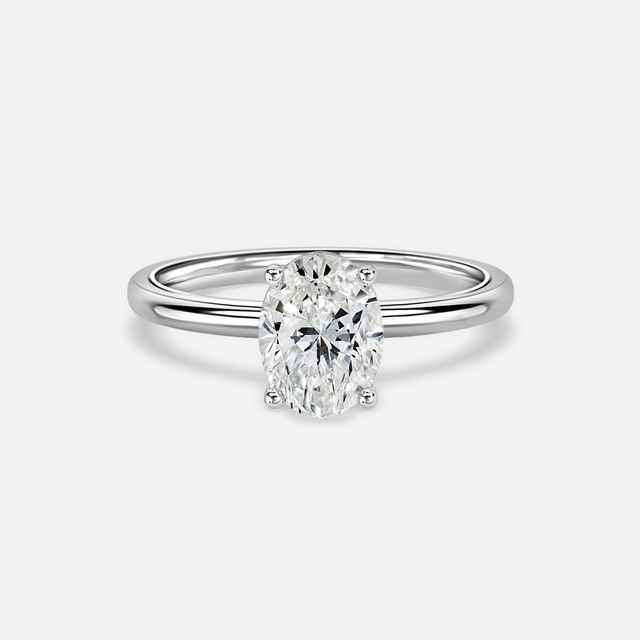
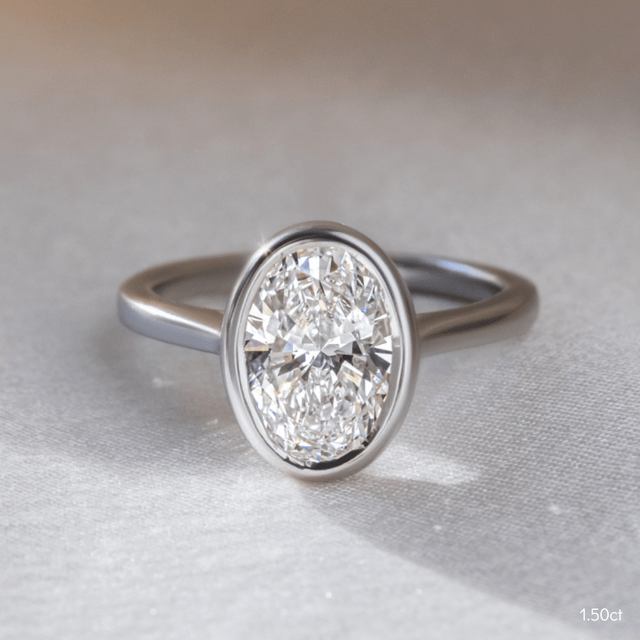
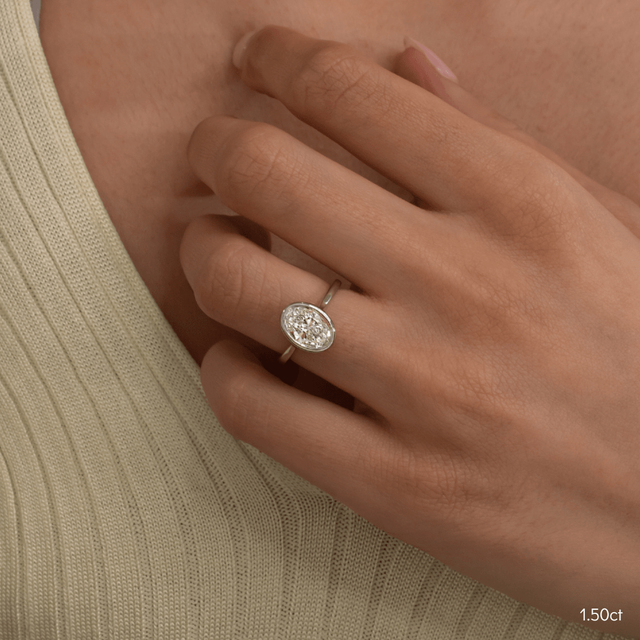
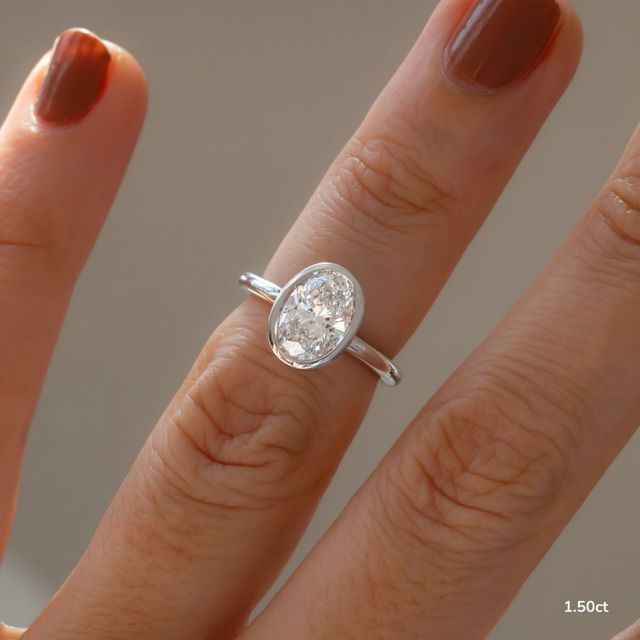
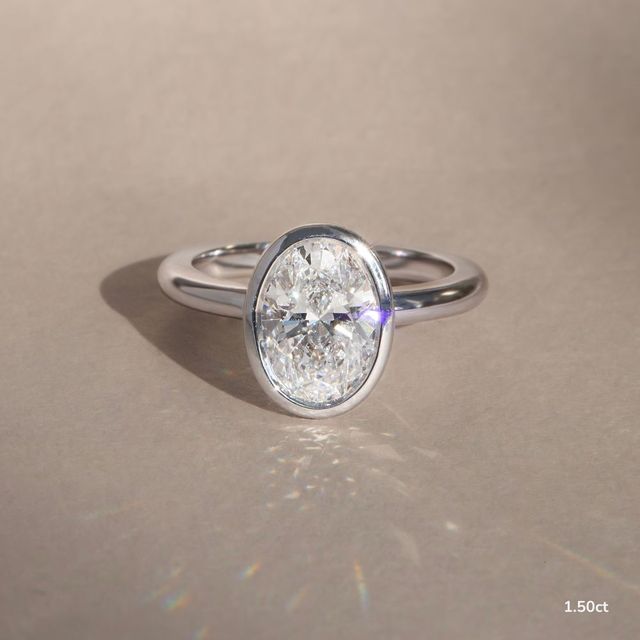
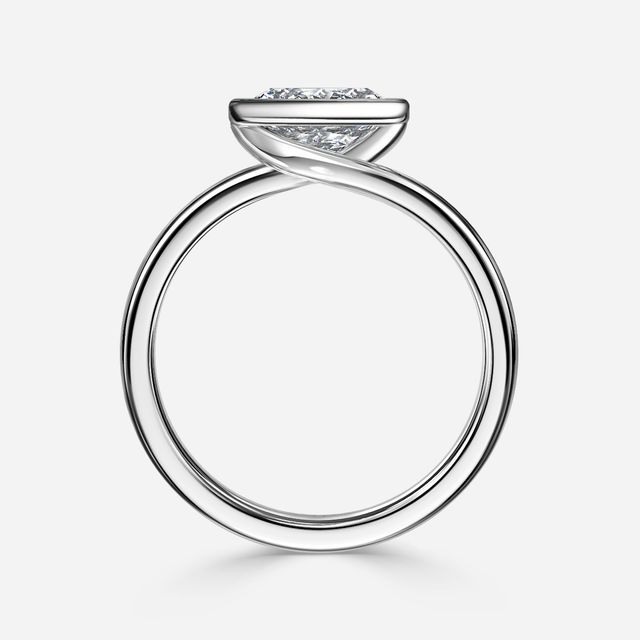
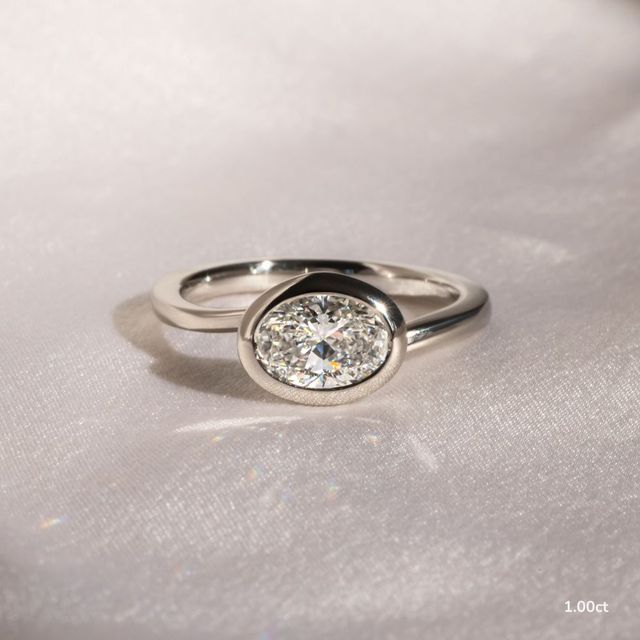
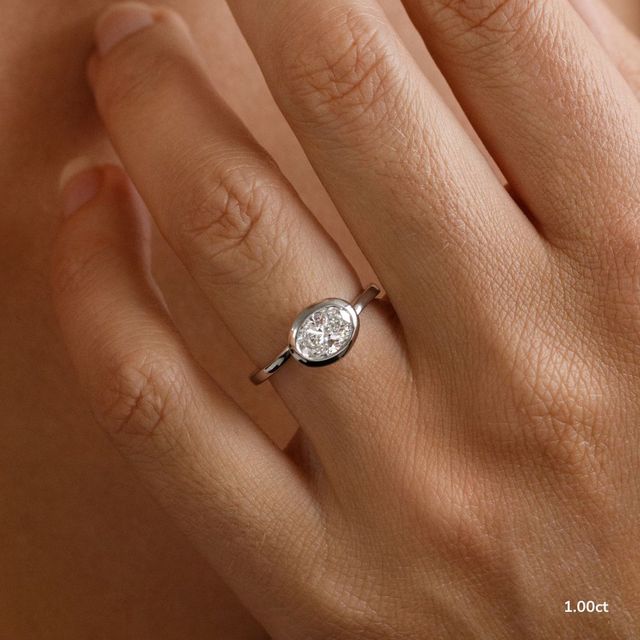
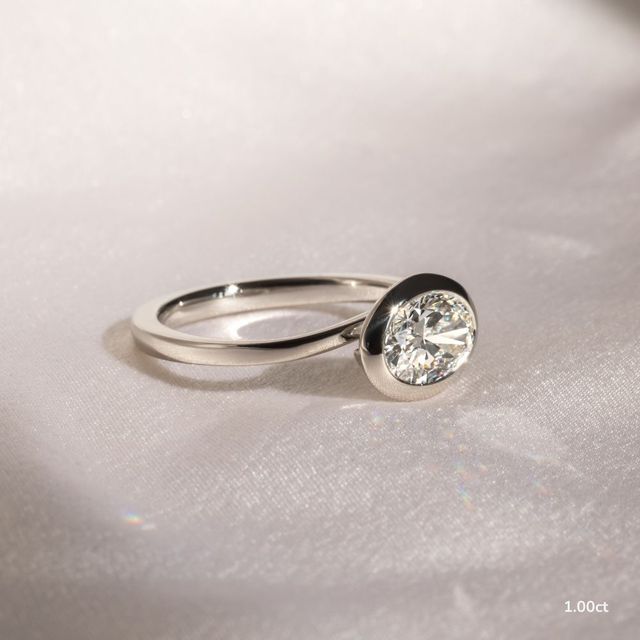
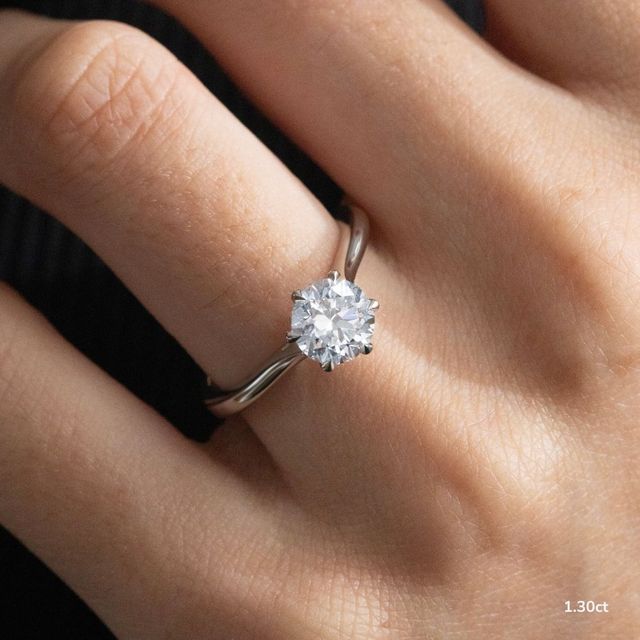
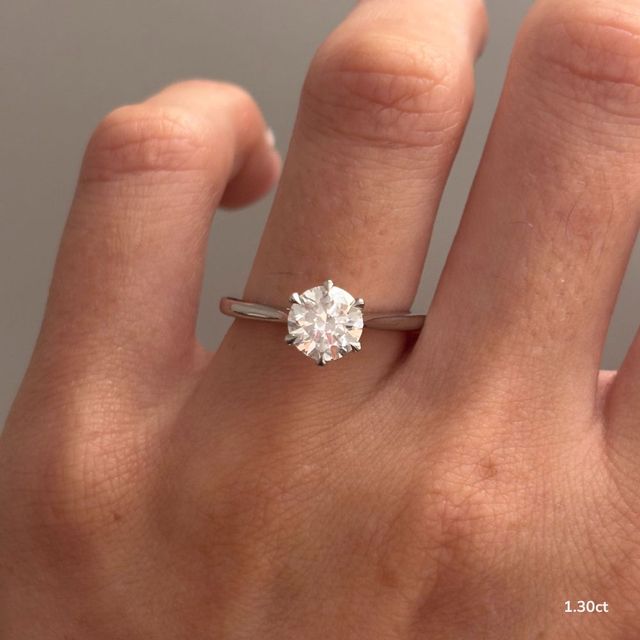
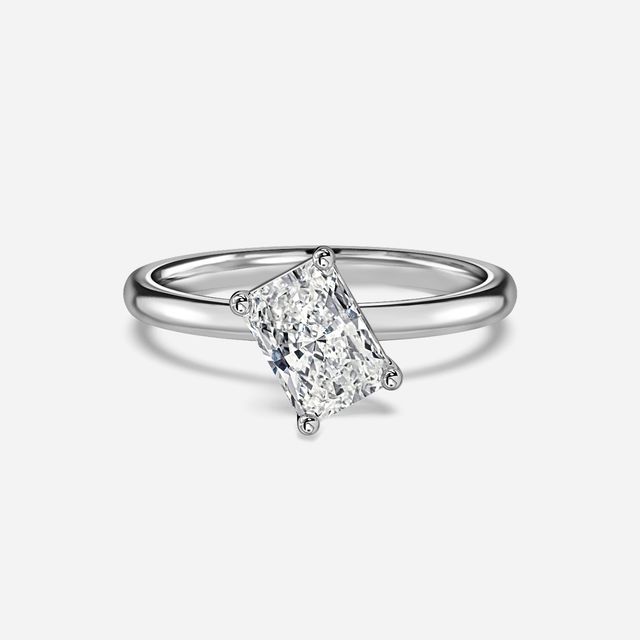
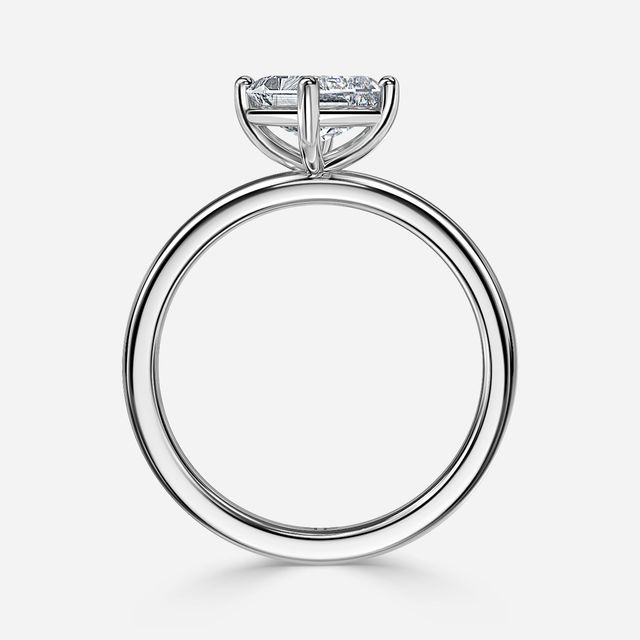
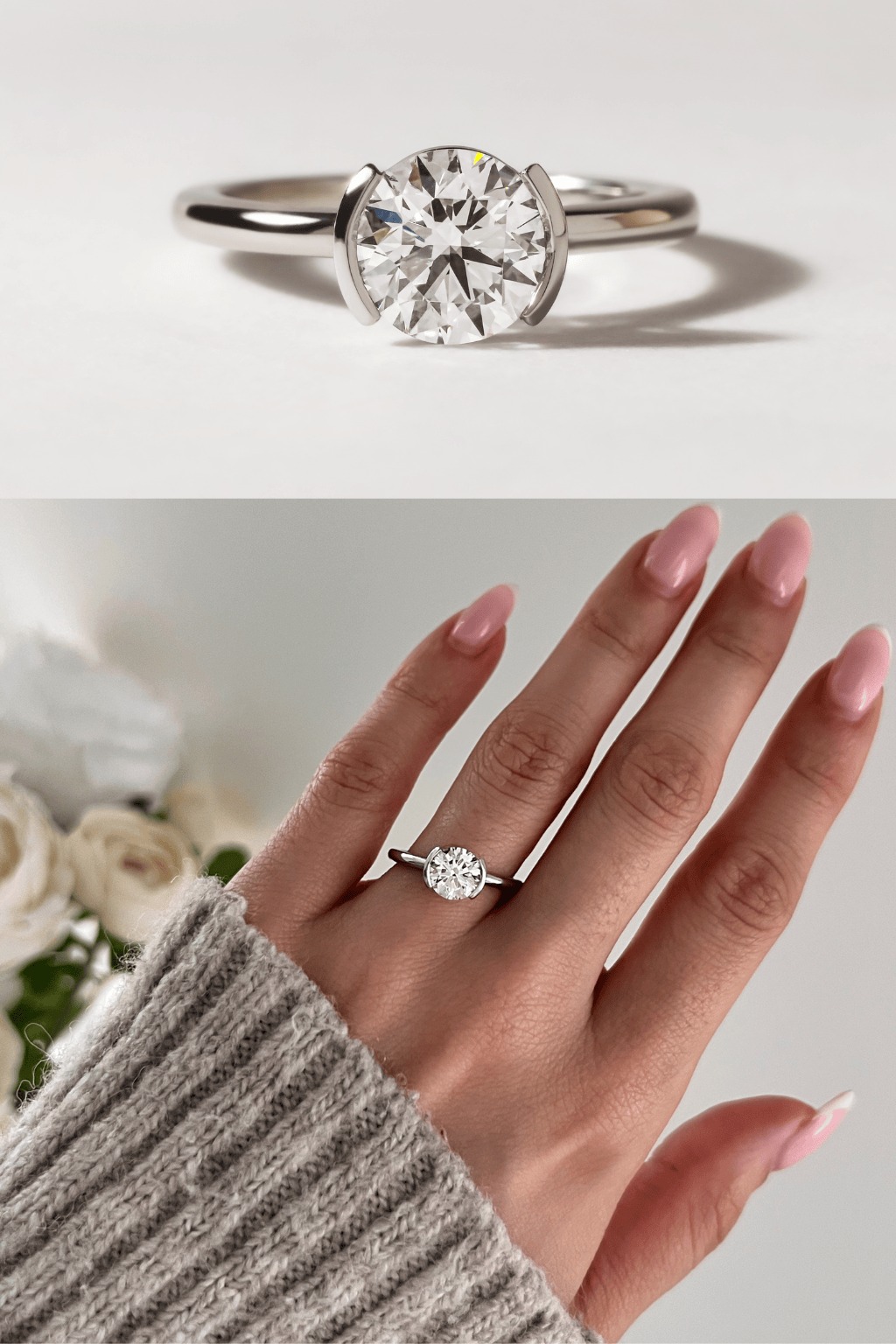
Platinum Solitaire Engagement Rings
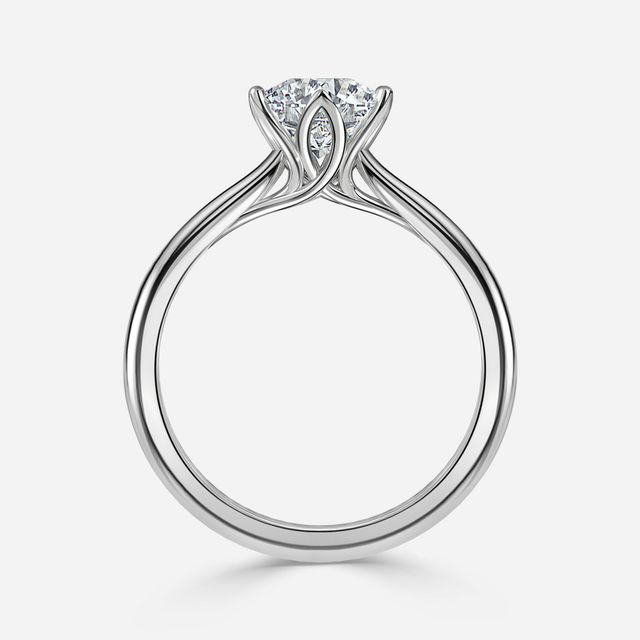
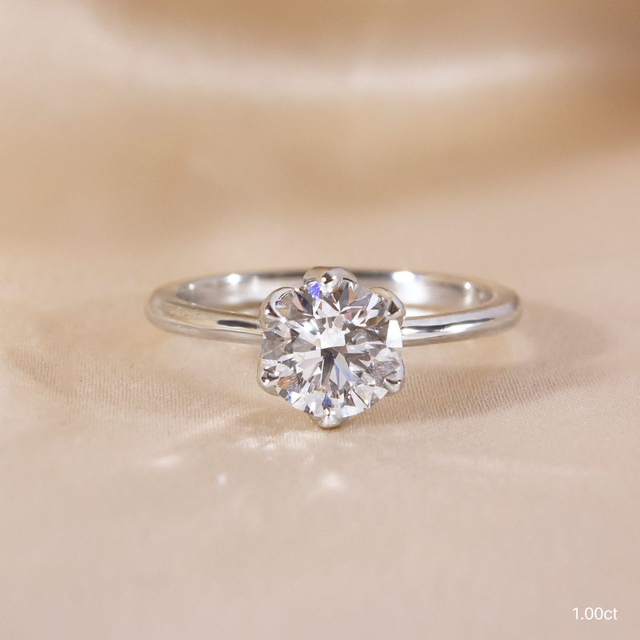
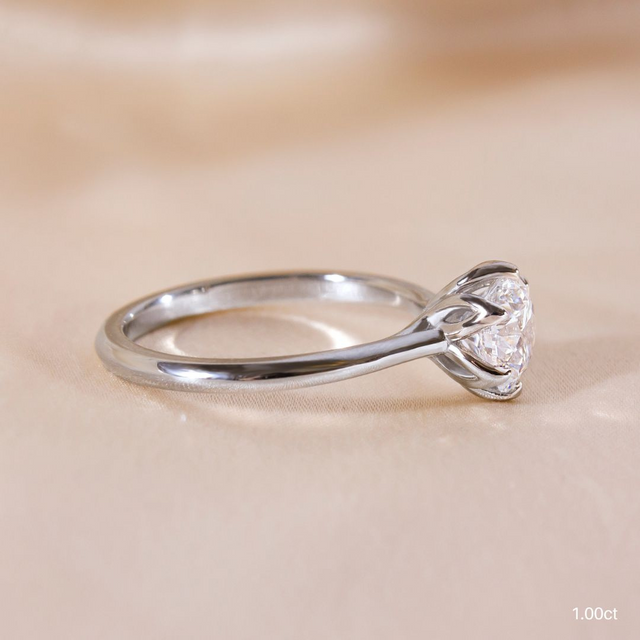
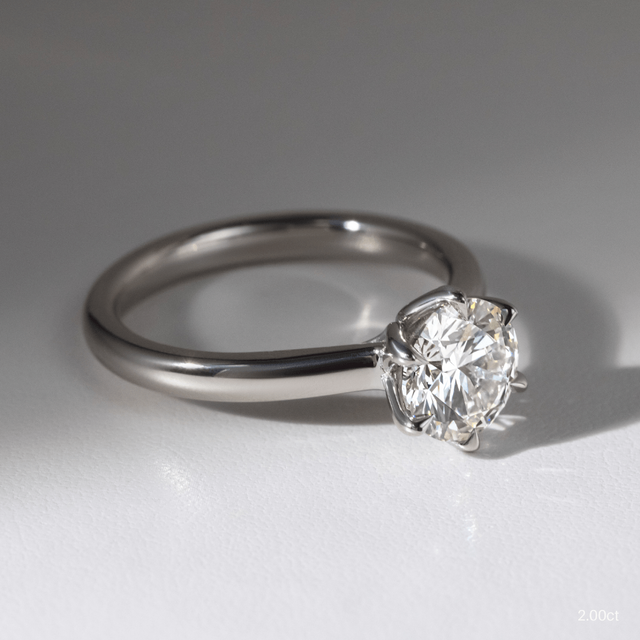
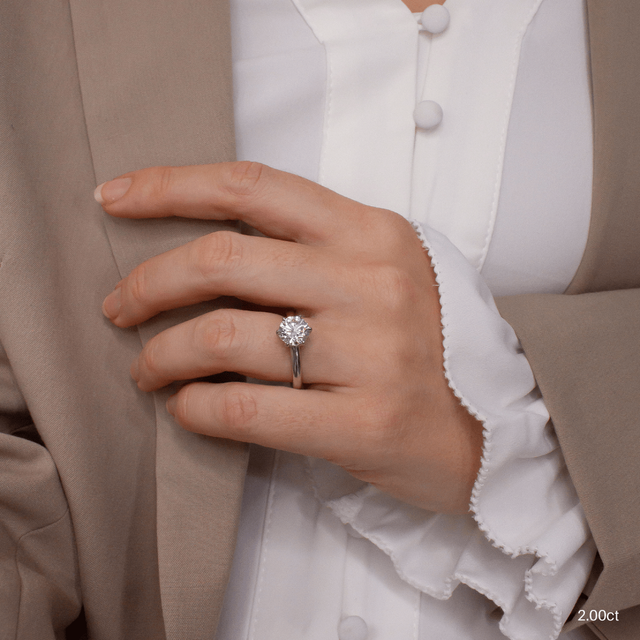
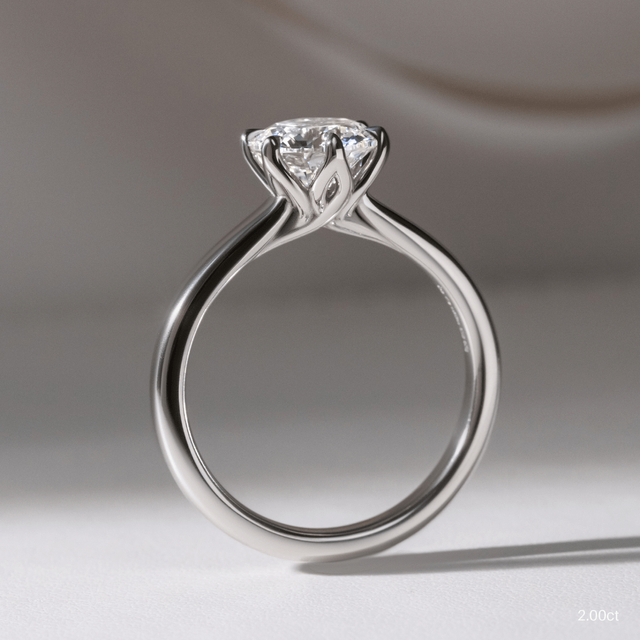
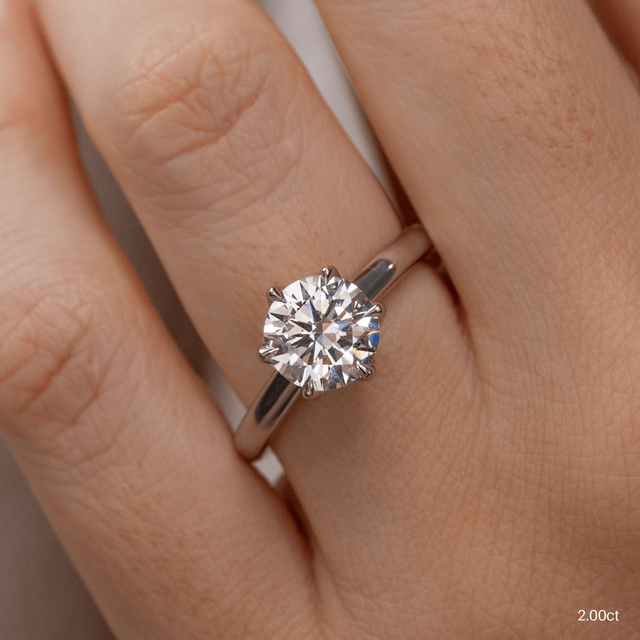
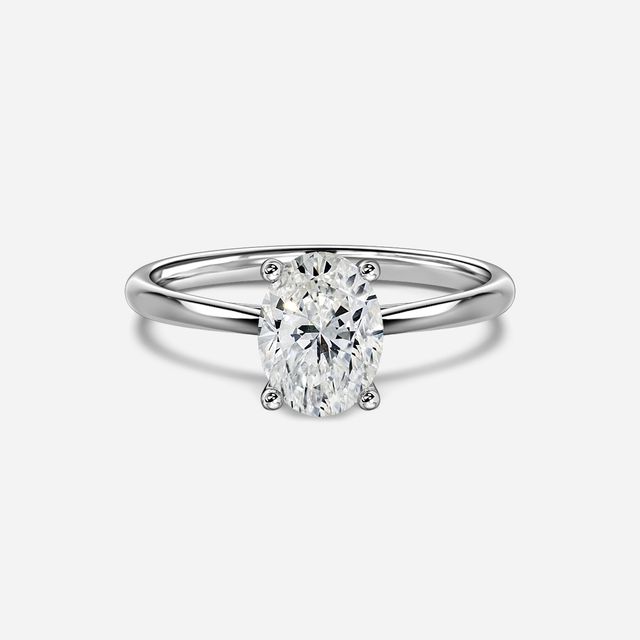
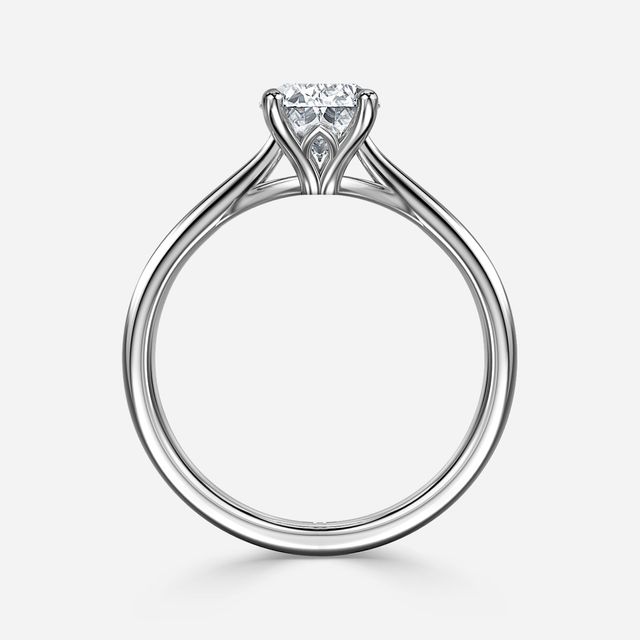
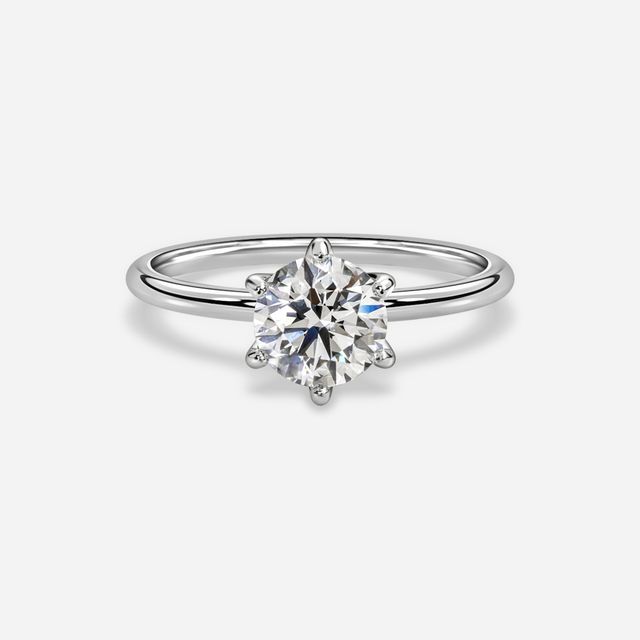
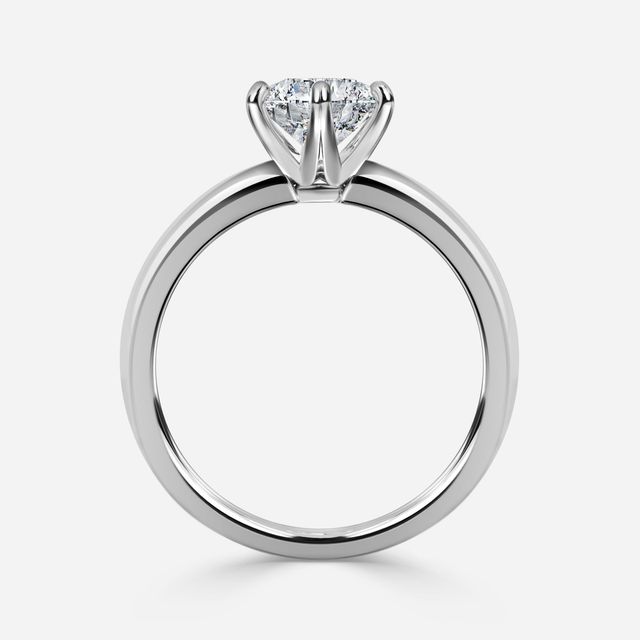
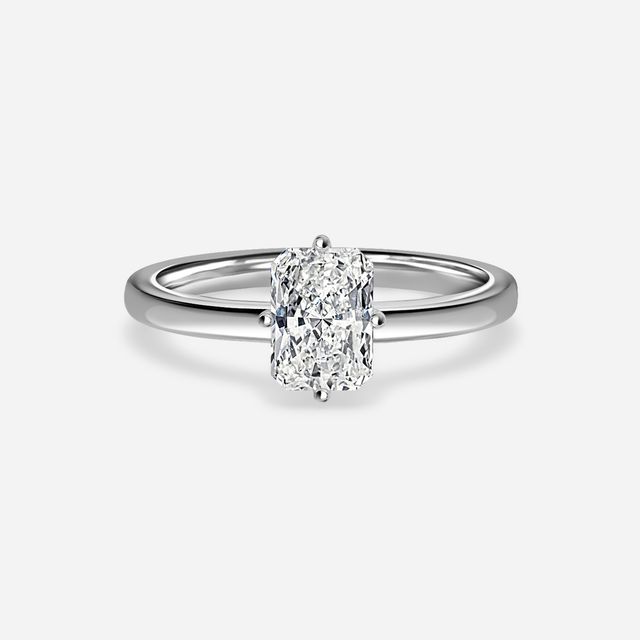
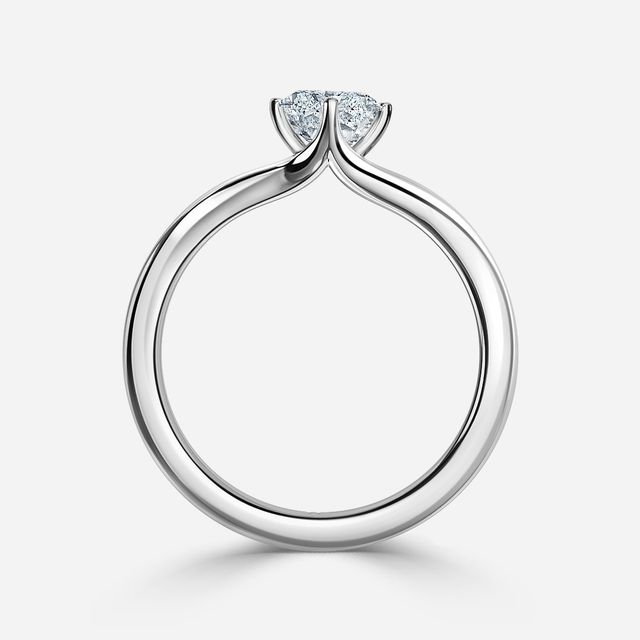
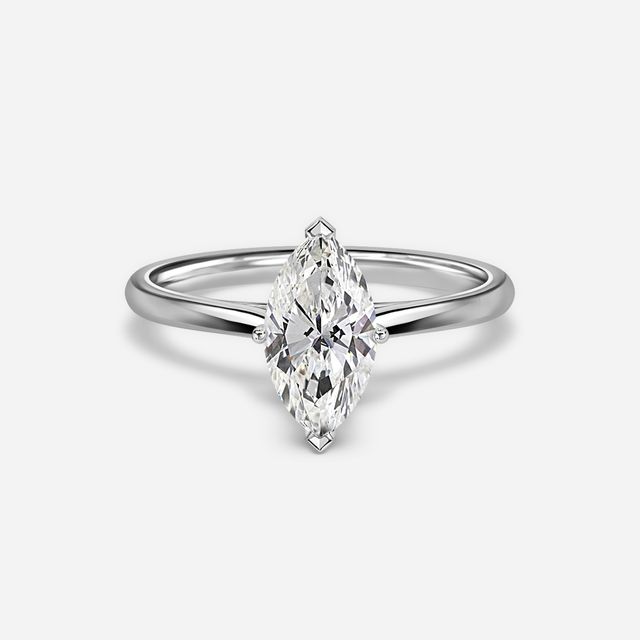
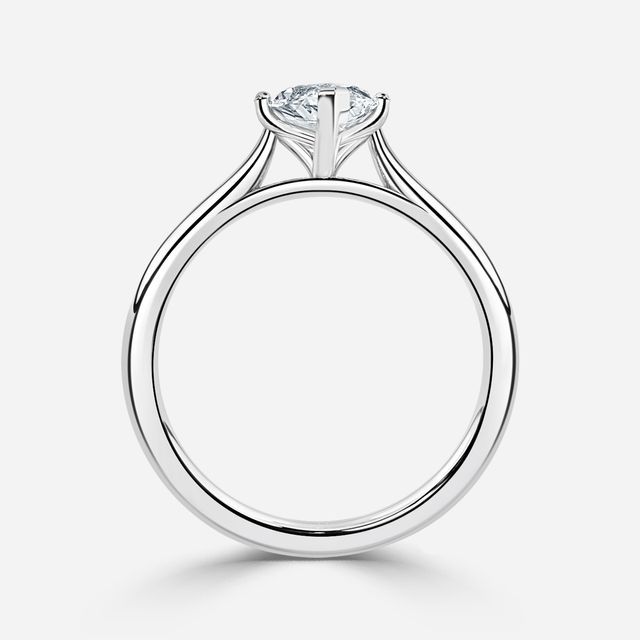
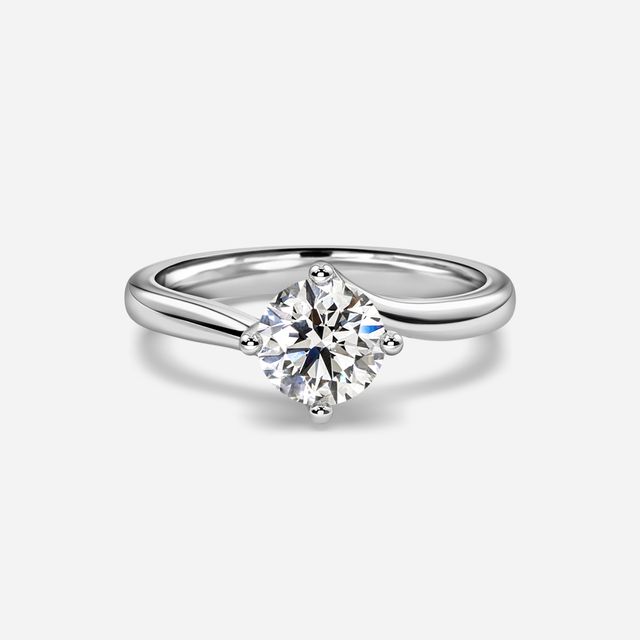
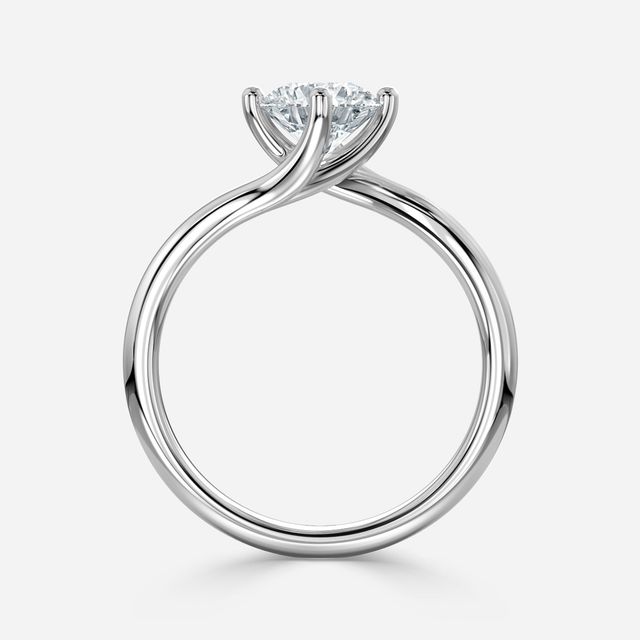
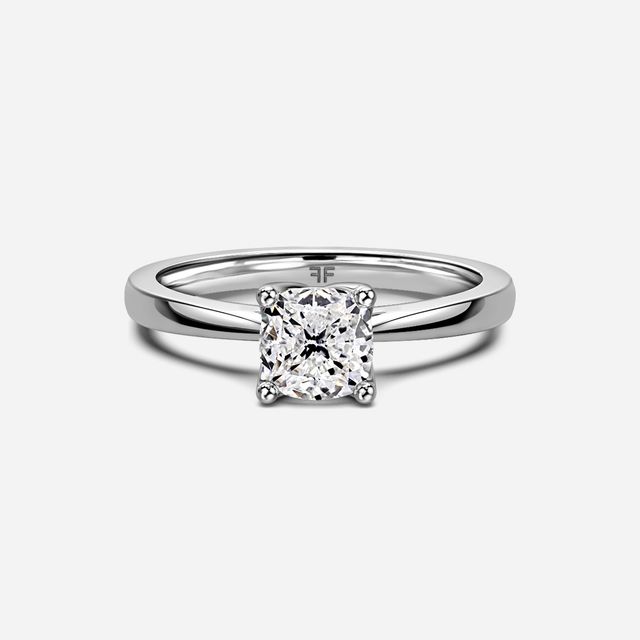
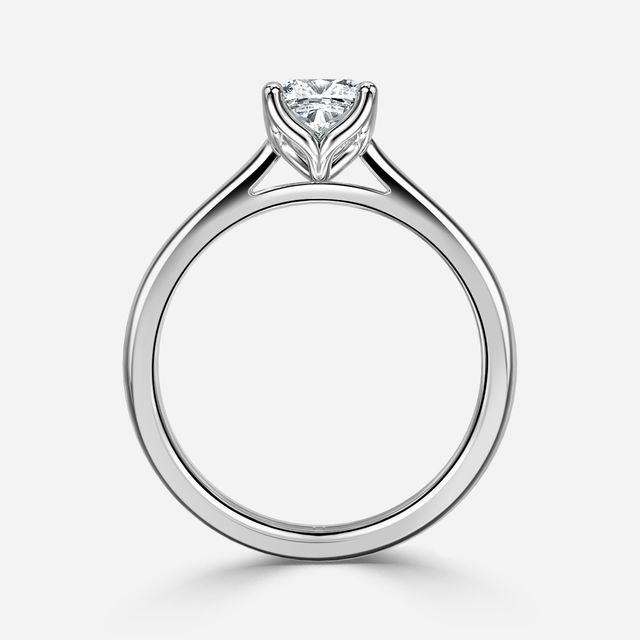
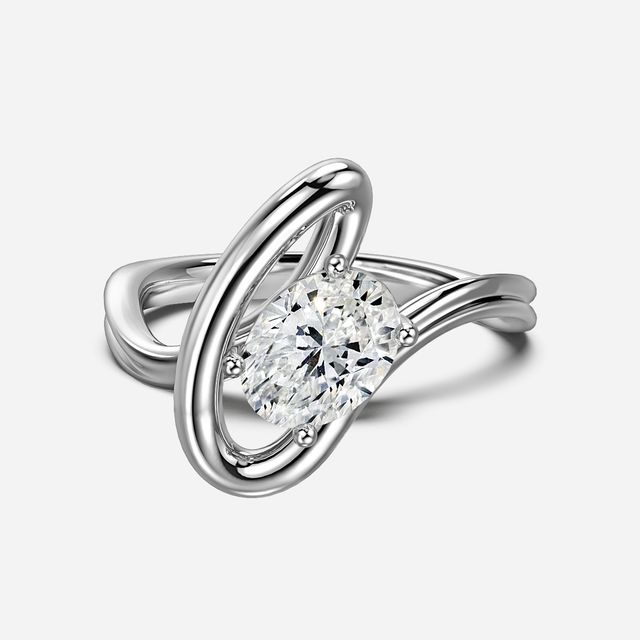
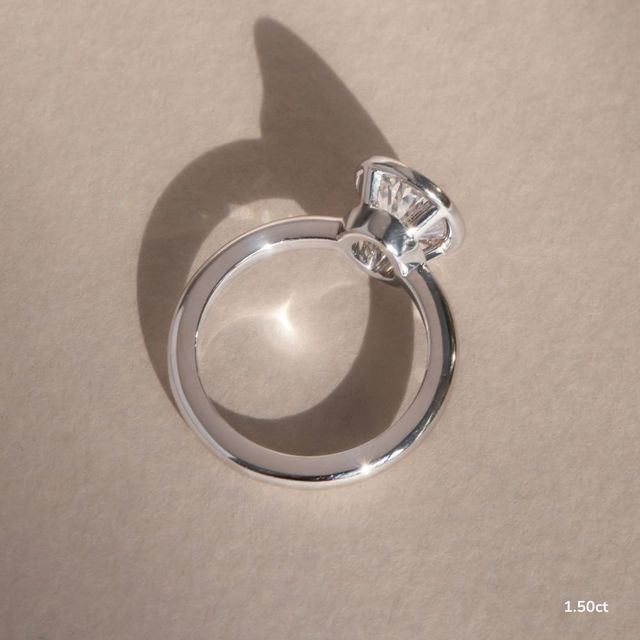
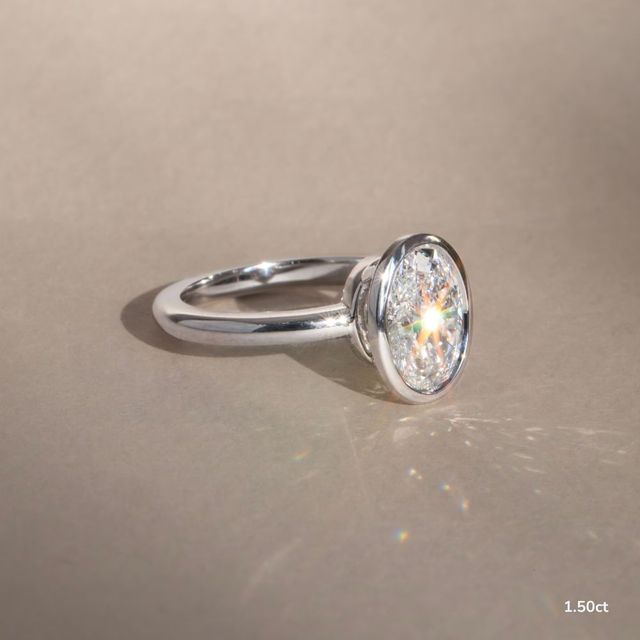
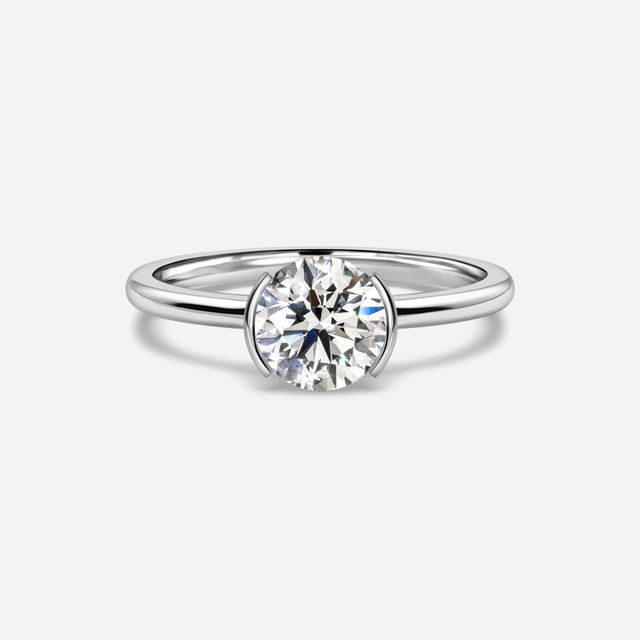
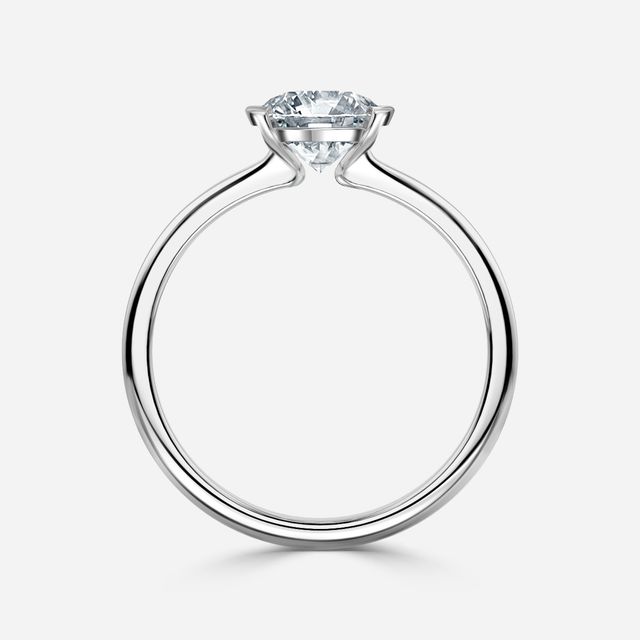
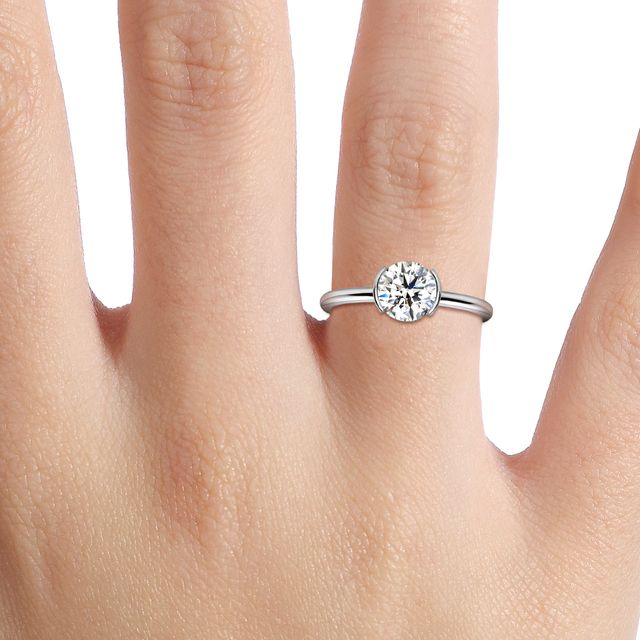
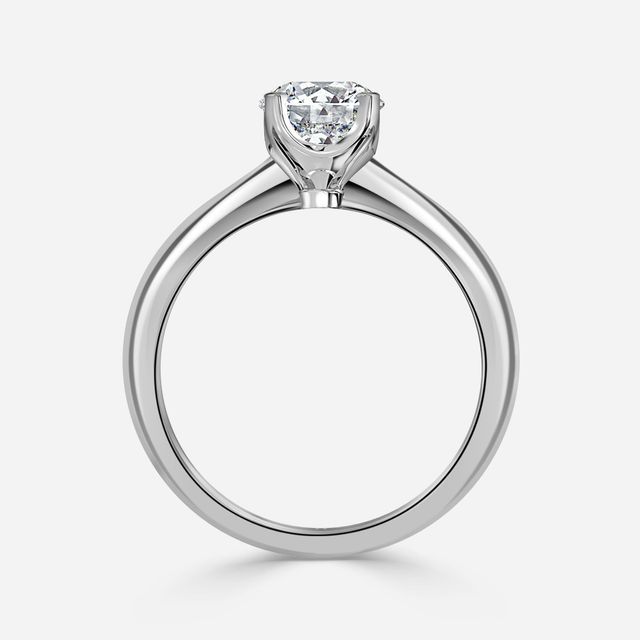
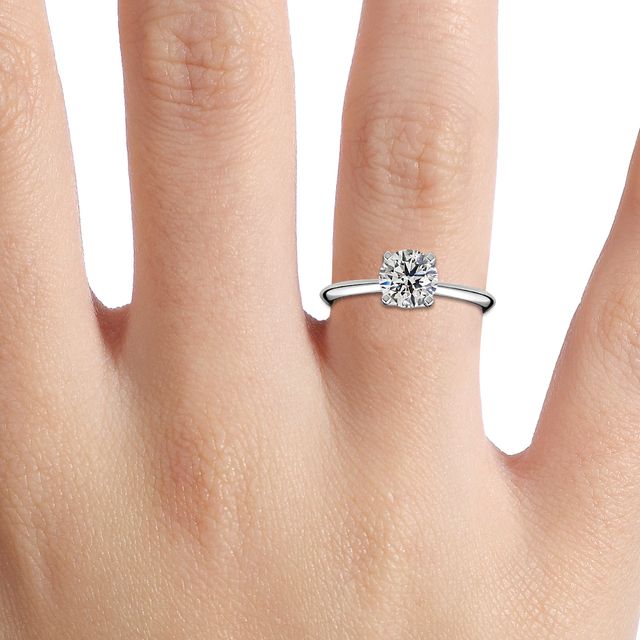
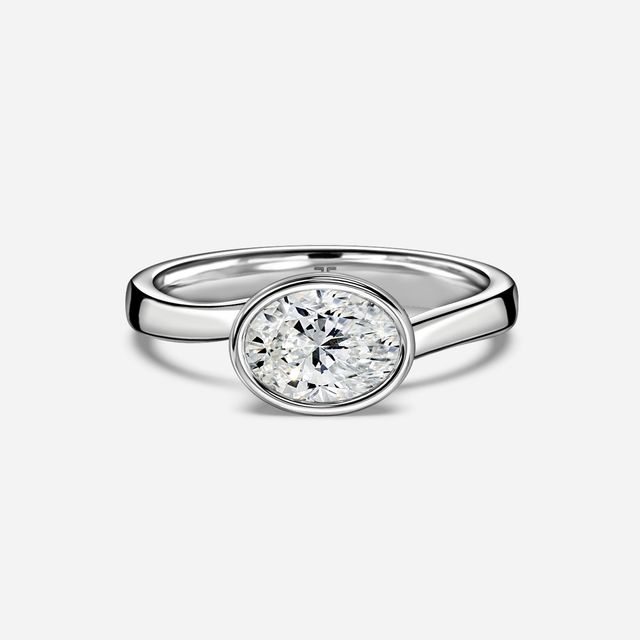
Platinum solitaire engagement rings are a beautiful and durable choice. The bright metal makes the diamond shine more and keeps its glow for years. Platinum is strong, pure, and lasting, making it a perfect option for those who want a ring that stays beautiful over time.
Read more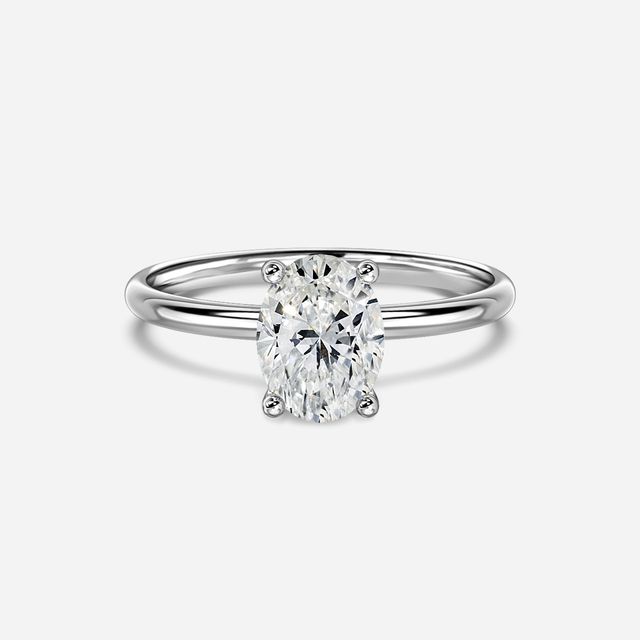


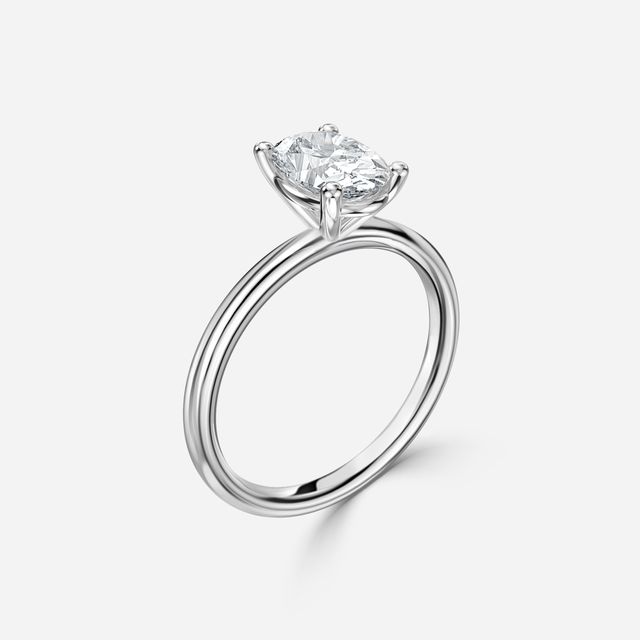
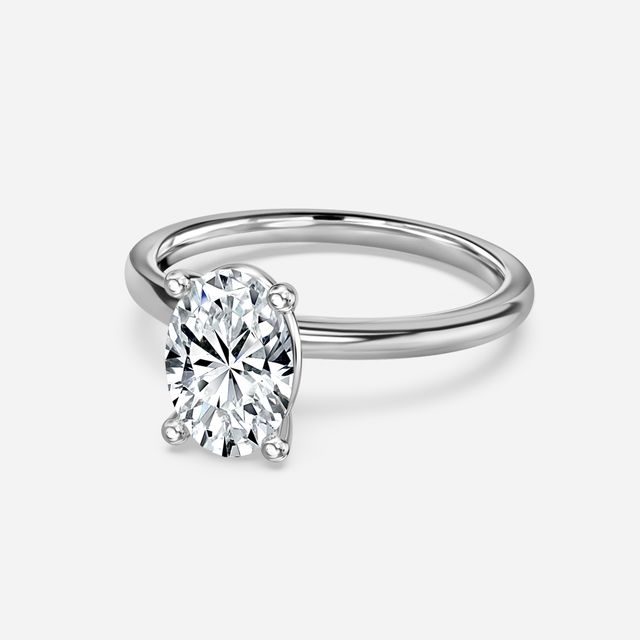
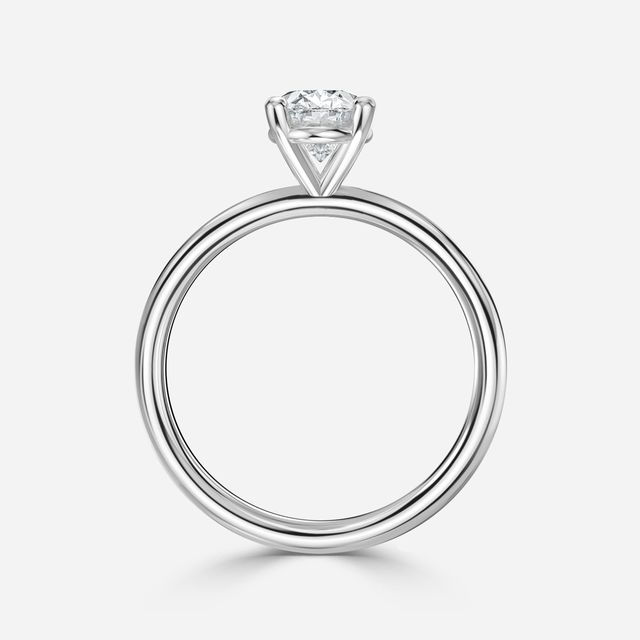
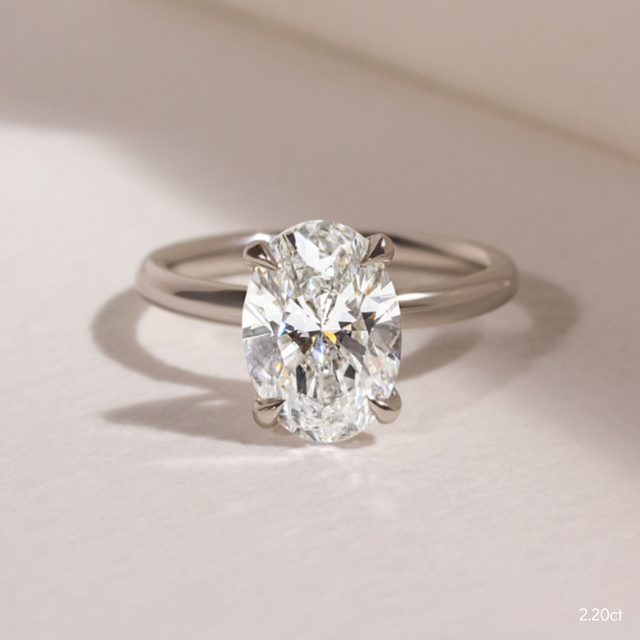
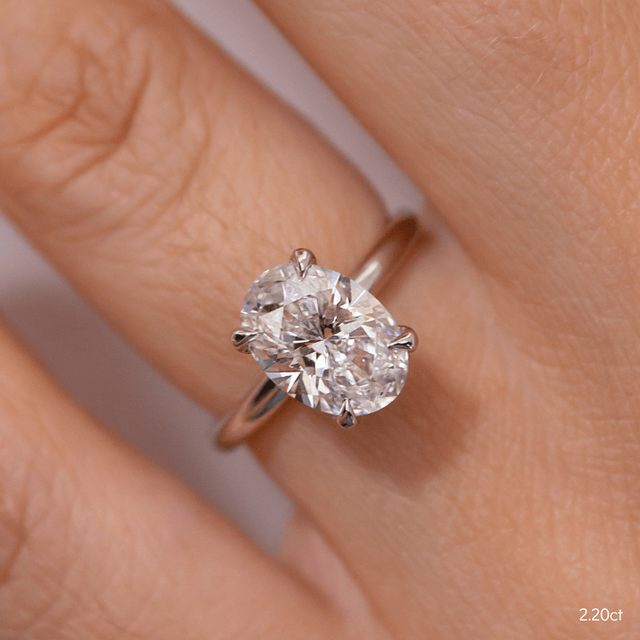
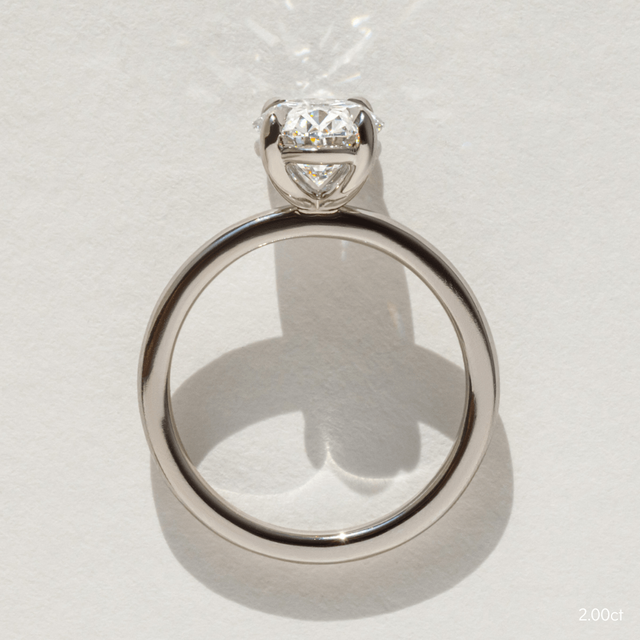
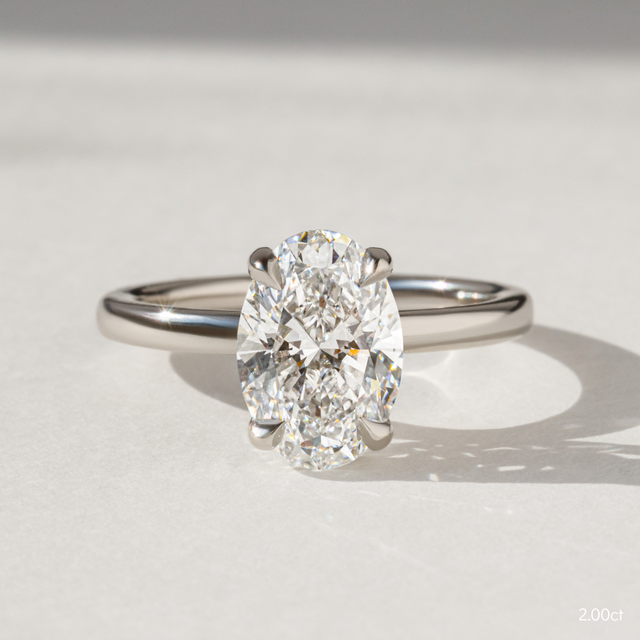
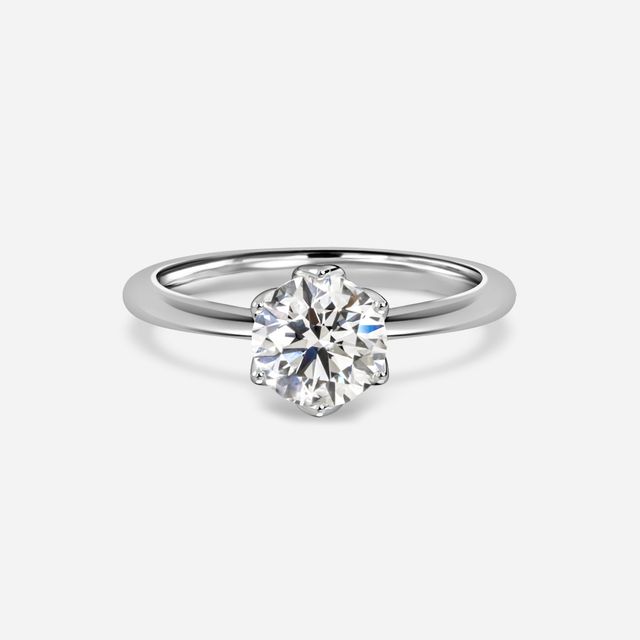
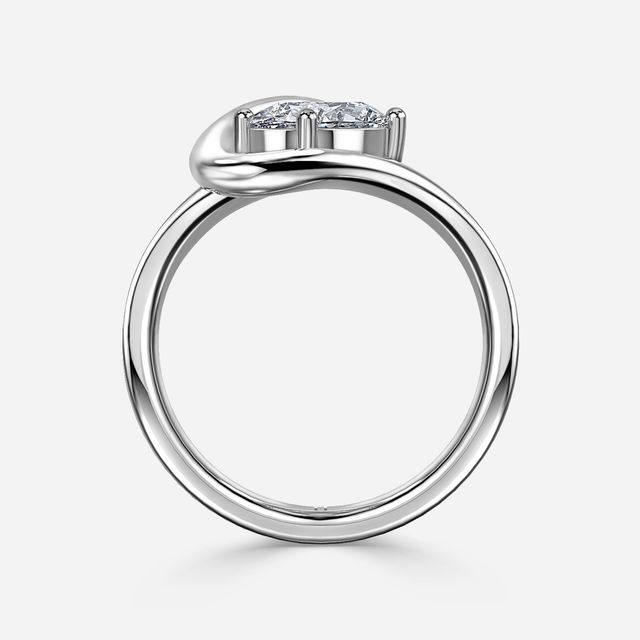

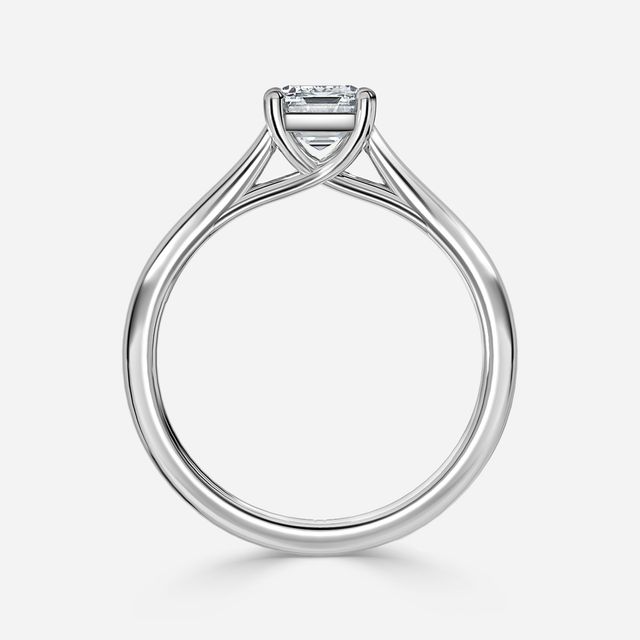
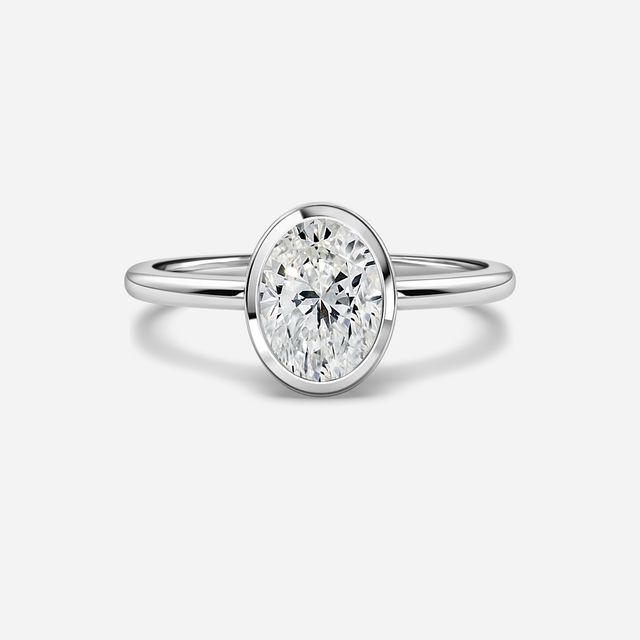
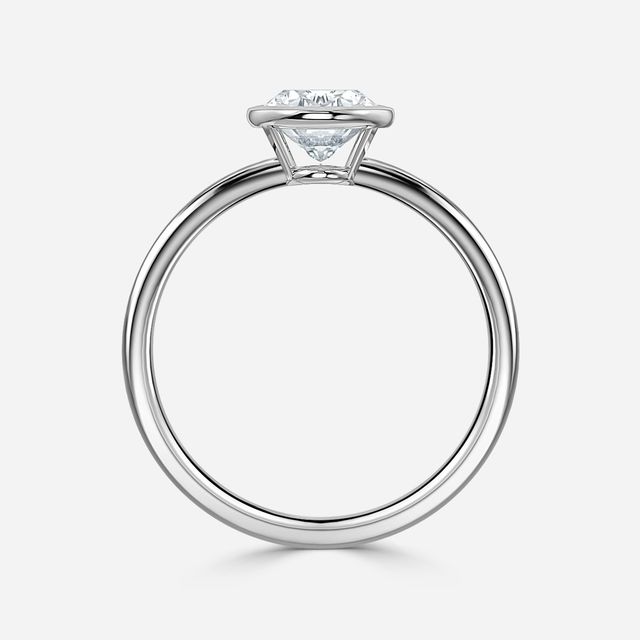


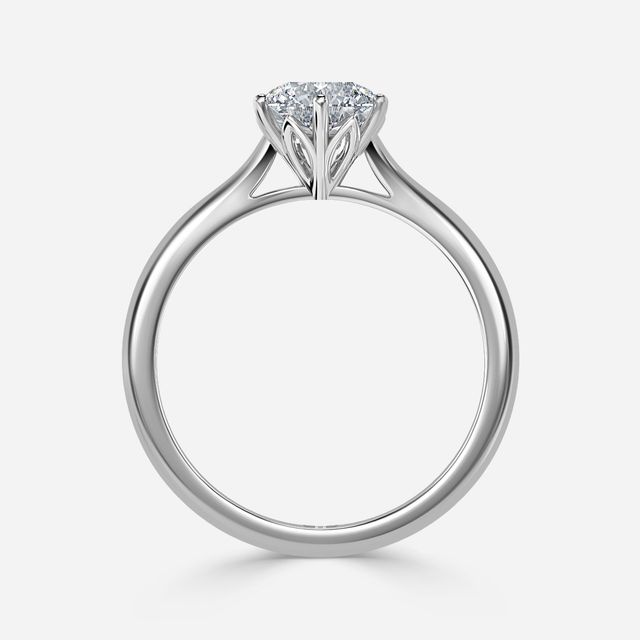
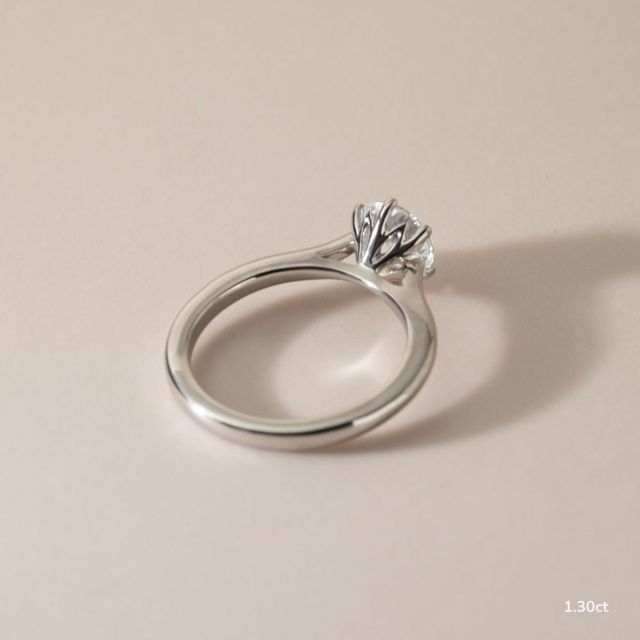
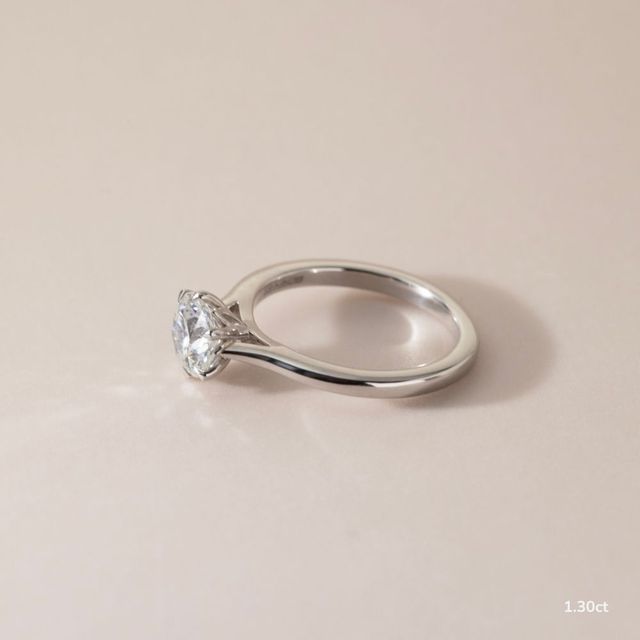
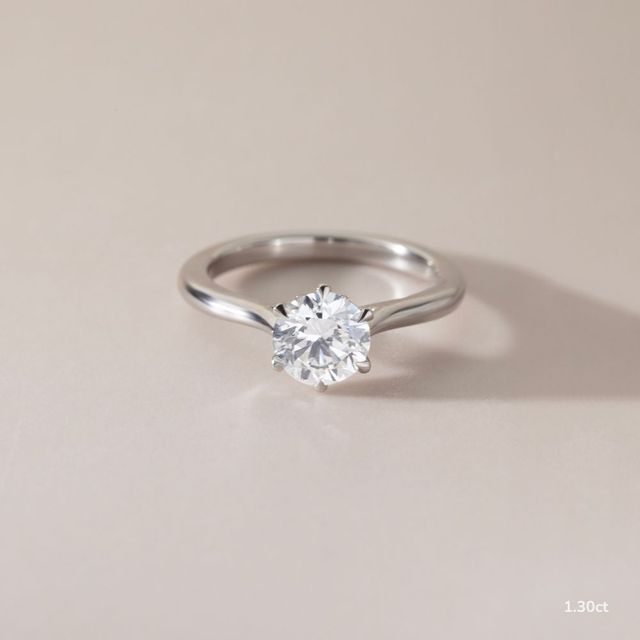
Need help finding the right ring?
Need help finding the right ring?
Select the finest symbol of love with the help of our gemologists in the UK. Experience personalised guidance on jewellery designs, diamond cut, colour, and clarity. From Royalty to You: Platinum’s Enduring Legacy
Find your ideal piece with our personal concierge service
From Royalty to You: Platinum’s Enduring Legacy
Platinum’s story began over two billion years ago, when meteorites carrying the rare metal struck Earth. Ancient Egyptians used it for ornamentation, but its true prominence emerged in the 18th century. By the late 1700s, it had gained royal favour when King Louis XVI declared it “the only metal fit for kings.” In the 19th century, jewellers like Tiffany and Co. and Cartier embraced platinum for its durability, natural whiteness, and mind-blowing brilliance. At Flawless, we pair this metal with expertly crafted settings to create platinum solitaire engagement rings that reflect lasting beauty and strength.
Platinum vs White Gold: Know the Key Differences
While platinum and white gold look alike, they vary greatly in their composition, durability, and maintenance. Platinum is a naturally white metal, usually 95% pure, dense, and hypoallergenic. White gold is an alloy that is comprised of gold mixed with other white metals, and is plated in rhodium to give it a bright finish. Platinum diamond solitaire engagement rings are heavier and more expensive than white gold. With any purchase, work with our gemologists at Flawless to make the right decision for your engagement ring.
Platinum Solitaire Engagement Rings- FAQ's
What makes platinum an excellent metal for precision stone setting?
What makes platinum an excellent metal for precision stone setting?
Platinum’s fine grain structure and high tensile strength hold settings with extreme accuracy. It allows for micro pavé, tension, and halo settings with minimal risk of prong movement or wear.
Is platinum hypoallergenic?
Is platinum hypoallergenic?
Yes. Due to its high purity and inert nature, platinum is hypoallergenic and safe for sensitive skin.
What diamond cuts and settings pair best with platinum?
What diamond cuts and settings pair best with platinum?
Platinum’s strength supports intricate prong, bezel, and pavé settings, making it ideal for round brilliant, emerald, and marquise cuts. Its rigidity maintains secure tension around the stone, even in slender designs.
Why is platinum more expensive than other metals?
Why is platinum more expensive than other metals?
Platinum’s rarity, high density, and composition contribute to its cost. A platinum ring weighs roughly 40% more than the same design in gold as the metal’s higher melting point requires specialised craftsmanship during fabrication.

Need help choosing ?
We're happy to help